 uluquint
Mobile wallets, NFTs, and Web3 security: what a practical, paranoid user actually needs
Okay, so check this out—mobile crypto wallets have stopped being toy apps. Wow! They now hold your tokens, NFTs, social logins, and sometimes your identity. My instinct said “keep it simple,” but the space kept forcing complexity on us. Seriously? Yes, and that complexity is exactly why you need to think differently about a wallet than you did two years ago.
Short version: pick a wallet that treats NFTs like first-class citizens, supports multiple chains securely, and gives you clear control over approvals and keys. Hmm… sounds obvious, but most people ignore the subtle risks until it’s too late. Here’s the thing. You can enjoy fast UX and still be safe, but only if the wallet exposes the right controls and defaults.
I’m biased toward wallets that are transparent about signing, permissions, and recovery. I’m also pragmatic—mobile is where most interactions happen. So I carry a main secure wallet, a few burner wallets for dapp testing, and I use hardware or air-gapped signing for high-value NFT moves. On the road, somethin’ like that balance saves headaches (and money).
What “NFT support” should actually mean
NFT support isn’t just a gallery view. Short sentence. A good wallet must parse metadata reliably and show provenance, royalties, and contract addresses plainly. Medium-length explanation here: show token standard (ERC-721 vs ERC-1155), show the original contract, and flag common red flags like proxy contracts or contracts that request full allowance for your entire collection. Long thought: a wallet that hides contract details or buries approval dialogs behind tiny buttons is basically nudging you into dangerous UX that normalizes permanent approvals and perpetual exposure.
On marketplaces, approvals are lethal. Whoa! Approve once, regret forever. Many scams revolve around tricking you into granting blanket permissions to a malicious contract. Good wallets let you approve just the token or set a limit on allowance, and they present a readable summary of what a contract will do.
Multichain convenience vs. attack surface
Being multichain is convenient. Really convenient. But each added chain is another set of endpoints, bridges, and exploitable tooling. Initially I thought “one wallet to rule them all” was the dream, but then realized the surface multiplies—RPC endpoints, token lists, signature formats, different bridging mechanics. Actually, wait—let me rephrase that: consolidation is great if the wallet isolates chain-specific secrets and validates endpoints; otherwise it’s adding risk.
Good design patterns: segregated accounts per chain, explicit RPC selection (don’t auto-switch without telling me), and a curated default RPC list with options for users to add their own. Also, native support for WalletConnect and safe handling of session proposals matters. On one hand UX needs to be frictionless; on the other hand you must be able to inspect what you’re signing. Those two needs conflict sometimes, though actually with smart UX they can coexist.
Practical security controls I insist on
Short: seed safety. Medium: use hardware-backed keys or secure enclave when possible. Long: prefer wallets that let you connect a hardware wallet (via Bluetooth or QR) and still keep daily-use keys separate from high-value custody. Burners are your friends for dapp testing and signing low-risk txs.
Look for these features: social recovery or multisig options, native or easy integration with hardware wallets, granular contract approval management, session expiration for connected dapps, and transaction preview that translates low-level calls into plain language. Also, transaction simulation (e.g., gas, state changes) is very very important—if the wallet shows the simulated effects of a tx, that’s a major plus.
Phishing prevention deserves a small rant. This part bugs me. Mobile browsers, in-wallet webviews, and overlay attacks are where folks get caught. A wallet should warn when a popular marketplace URL is being mimicked, when domain lookups fail, or when a contract address deviates from verified metadata. If the wallet integrates a trusted discovery service or verifies contracts against on-chain registries, it reduces risk significantly.
UX patterns that actually help users (not just look nice)
Short note: confirmations should be slow by default. Medium: show the exact value being moved, who receives it, and whether any subsequent approvals are required. Long: if a dapp tries to bundle two calls (approve + transfer) into one prompt, the wallet should break them out into separate, explicable steps so users can choose. Also—by the way—visual affordances for NFTs (thumbnail provenance, collection name) reduce impulsive clicks and bad decisions.
Another UX detail: session management. Apps remain connected too long. The wallet should show active dapp sessions and let you revoke them with two taps. This fixes a class of long-term exposure issues without making people experts.
Bridges, wrapping, and the ugly middle ground
Cross-chain moves are convenient, but bridges are where smart users lose funds. Honestly, I’m not 100% sure which bridge will stay safe forever. No one is. So minimize: use audited bridges, prefer native cross-chain primitives built into reputable L2s, and move small amounts first. If a wallet helps you verify the relayer, the bridge contract, and shows expected timeline and fees, that’s a big help.
Also consider custody split: keep illiquid, high-value NFTs in a cold/hardware setup and move only necessary pieces to mobile. It’s annoying sometimes, but it’s smart.
Why I mention truts
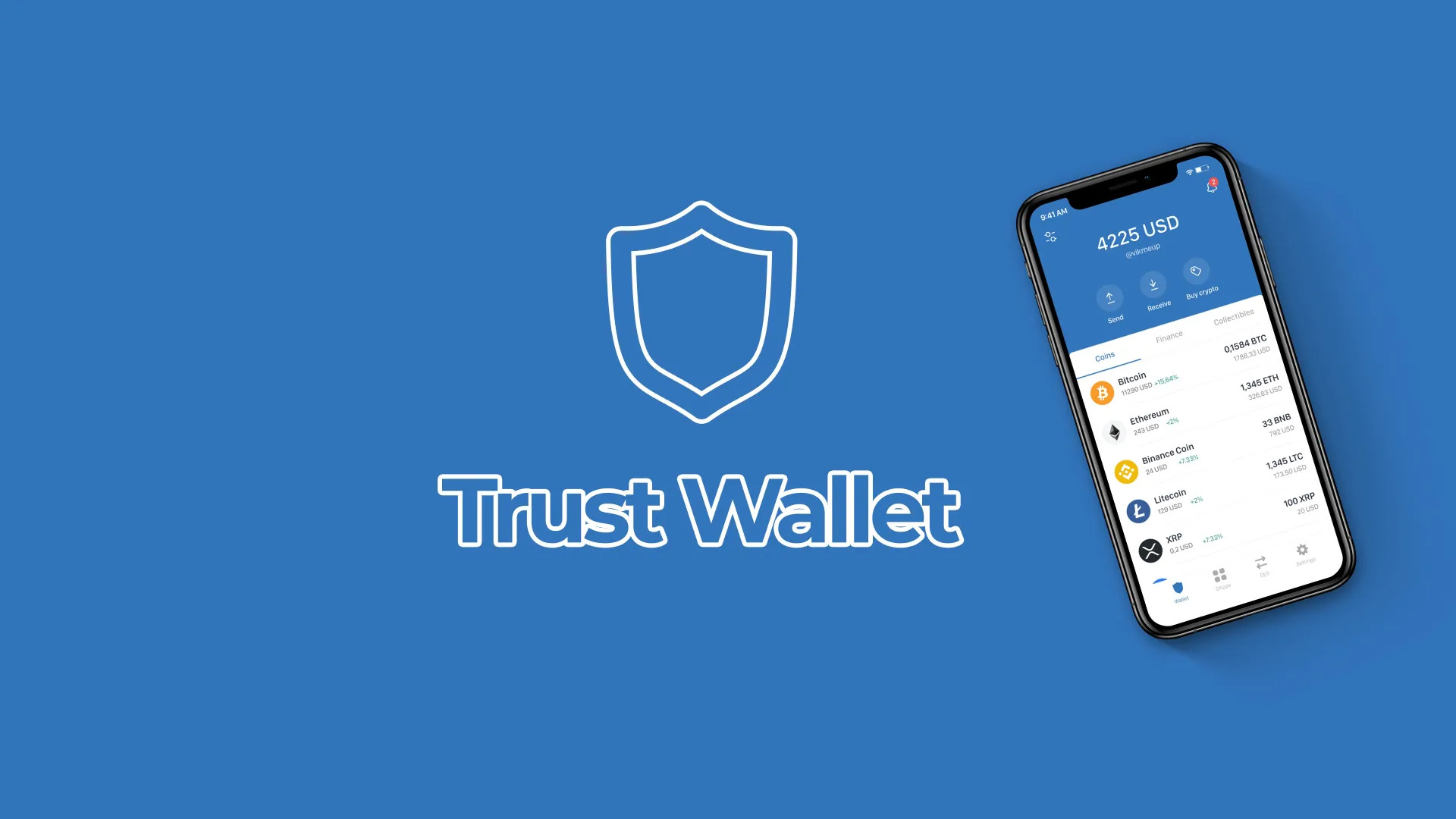
Okay, full disclosure—I found truts to be useful when evaluating multichain and NFT flows. They put visible emphasis on approval controls, session management, and clear NFT metadata presentation. That made me more comfortable connecting to a few marketplaces from my phone. I’m sharing that because product-level choices like this reduce whole classes of mistakes.
Quick FAQ
Q: Should I store high-value NFTs in a mobile wallet?
A: Short answer: avoid keeping the most valuable pieces on a hot mobile wallet. Use hardware or cold storage for long-term holds, and use a mobile wallet only for viewing, trading small items, or interacting with marketplaces when needed. If you must, set up multisig or social recovery.
Q: How can I tell if a contract approval is safe?
A: Check the contract address against the collection’s official listing, look for verified contract badges, avoid wildcard approvals (infinite allowances), and prefer time- or amount-limited permissions. If the wallet can show readable intent for the approval, trust it more.
Q: Any quick protective habits?
A: Yes—use burner wallets for every new dapp, double-check contract addresses on Etherscan or equivalent, revoke unused approvals regularly, keep small balances for day-to-day activity, and treat any popup asking for blanket approvals as suspicious. Also—backup your seed securely (multiple offline copies) and never paste it into a website.
